Let’s Talk About Stress: A Conversation with Kristal Greenlea, LCSW
April 24, 2026Blog
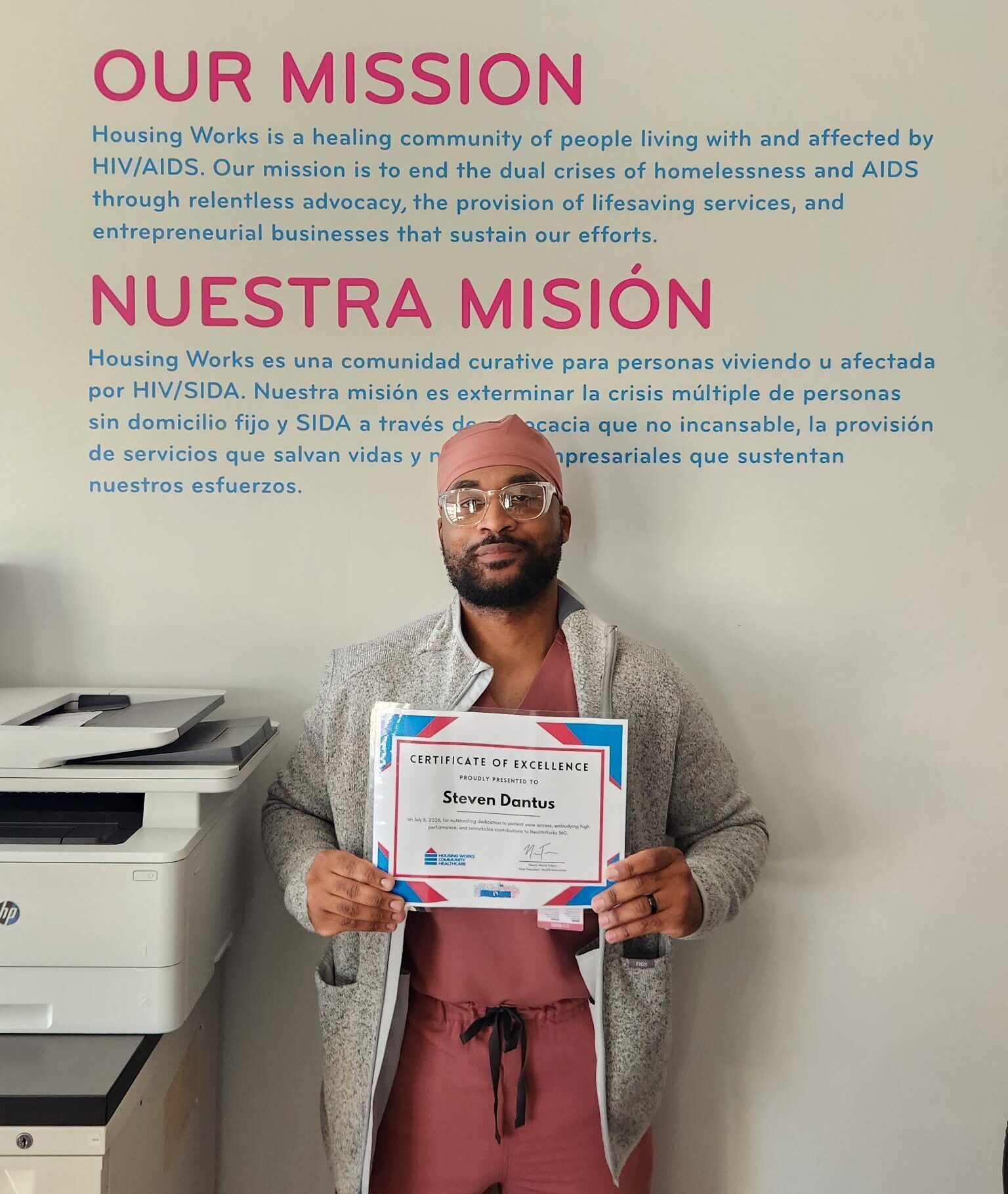
Stress is something nearly all of us experience, but it’s often misunderstood, overlooked, or normalized in ways that can quietly affect our health over time. In recognition of Stress Awareness Month, we sat down with Kristal Greenlea, Licensed Clinical Social Worker and therapist at our East New York Health Center, to talk about what stress really is, how it shows up in our daily lives, and when it may be a signal to slow down and seek support. In this conversation, Kristal shares practical insights on sleep, boundaries, movement, and prevention, along with simple steps our community can take to better care for their mental and emotional health.
Sophia: When you say “stress,” what does that mean to you in plain language, and what do you wish more people understood about it?
Kristal: For what stress means to me, I am a licensed clinical social worker. When I hear stress, I think about the gas in a house that is left on and can kill you, but you can’t smell it. That’s how I feel about stress in terms of mental, emotional, and physical health, and spiritual health as well. Stress is something that we all experience, and I think it’s a very natural thing to experience in terms of survival instincts. However, I do feel that we’ve normalized stress in our society in order to hold up systems that cause stress, and that is causing a lot of issues in our communities and in individuals. I think it’s underestimated, and I also think that can be intentional.
Sophia: From your experience as a social worker and therapist, what are the most common ways that stress shows up in people’s day‑to‑day lives where it might feel normalized?
Kristal: I see it in sleep. Lack of sleep is very common. I can’t tell you how many people talk about not being able to sleep well, and sleep is one of the few things that really helps with stress prevention. I notice interpersonal issues, sleep issues, and I can’t speak directly to health issues because I can’t say what caused them. But as a therapist, I know sleep is being impacted, physical health is being impacted, and mental health is being impacted. It often leads to anxiety and depression.
Sophia: It sounds cyclical—stress makes it hard to sleep, and not sleeping makes stress worse.
Kristal: Yes. That cycle is frustrating because oftentimes, in order to survive in our systems, we have to take in that stress, and that’s worrisome.
Sophia: How do you think stress impacts people over time, based on what you’ve seen?
Kristal: In my research, stress is like that gas again. It can be subtle at first, like feeling a little off, but it can become serious. Chronic stress can lead to things as serious as personality disorders because it leads to anxiety and depression. I’m not a medical doctor, but research has shown me that stress attacks almost every system in the body, from the nervous system to the respiratory system. There are very few parts of our physical existence that are not impacted by stress. I want to reiterate that stress, like many emotions, has an important role. It helps protect us when things don’t feel right. But we do have a chronic stress problem.
Sophia: What are some red flags that stress has become too much to manage alone?
Kristal: Sleep disruption is a big one. Symptoms that look like depression are also red flags. If you’re not getting sleep, it’s hard to feel motivated. Stress weighs on people’s energy and spirit. Our systems are meant to sleep, wake up, and function relatively well when we’re healthy. When that’s not happening, it’s worth looking at stress first before assuming depression or anxiety and asking whether there’s undue stress.
Sophia: If someone is feeling overwhelmed, what are a few things you might suggest that could help reduce stress in the next week?
Kristal: I use somatic interventions because you can’t think your way out of stress. You have to sleep and move your way out of it. We talk about sleep hygiene, knowing that it might not be fixed in a week, but there may be easy things to adjust. Then I go straight to movement because research shows exercise releases endorphins, which are very effective. What we put in our bodies matters, and that includes what we watch and hear. Doom‑scrolling and the voices we allow into our lives can impact the nervous system and stress levels.
Sophia: Can you explain what sleep hygiene means for those who may not be familiar?
Kristal: Sleep hygiene is like physical hygiene. Just as we shower and brush our teeth, sleep hygiene is the routine we build around getting enough sleep. It includes when we turn phones off, when we lie down, what helps regulate our nervous system, when we stop eating, what we eat, and when we stop caffeine. It’s about preparing ourselves to sleep well through routine.
Sophia: What would you say to someone who feels they should be able to handle stress on their own?
Kristal: I start by honoring autonomy. Sleep, exercise, and nutrition are scientifically backed. If those are in place and someone is still stressed, then resources may be needed—therapy or other support. Some stressors are big, like work, and quitting a job isn’t always an option. Sometimes we have to intervene in other ways. That said, leaving a stressful job is not inherently a bad thing.
Sophia: How can boundaries help reduce stress, whether with people, work, or media?
Kristal: Creating boundaries doesn’t always mean cutting people out. It can also mean reducing time or limiting contexts. Some interactions are stressful, others are not. We also need boundaries with ourselves, including habits and thought patterns. Shutting off productivity isn’t encouraged in our culture, but learning to do that is important. If not, stress becomes ongoing.
Sophia: Is there a way you help people think about starting boundary conversations?
Kristal: Boundaries are very individual, so it’s more of a brainstorming process. One important point is that the other person’s feelings about a boundary are their responsibility. Being okay with not engaging in their emotional response takes practice. Boundaries can be especially tricky across generations. The boundary stays the same, but the language might differ. People are allowed their feelings, but we don’t have to own them. If a boundary is necessary, sustaining it matters.
Sophia: What’s one message you’d want the community to take away this month?
Kristal: Stress is common, but that doesn’t mean it should run the show. Prevention is straightforward and simple. Not easy, but simple. It’s worth keeping stress in check because unmanaged stress affects too many parts of us.
Sophia: Fill in the blank: “Stress is my body’s way of telling me ______.”
Kristal: That I need love and nurturing.
Sophia: “A small step that can make a big difference this week is ______.”
Kristal: Move! Your! Body!
Special thanks to Kristal Greenlea, Licensed Clinical Social Worker and therapist at our East New York Health Center, for sharing her time and insights with our community. If you’re feeling overwhelmed and need support, call our Call Center at (718) 277-0386 or book an appointment with one of our therapists online.