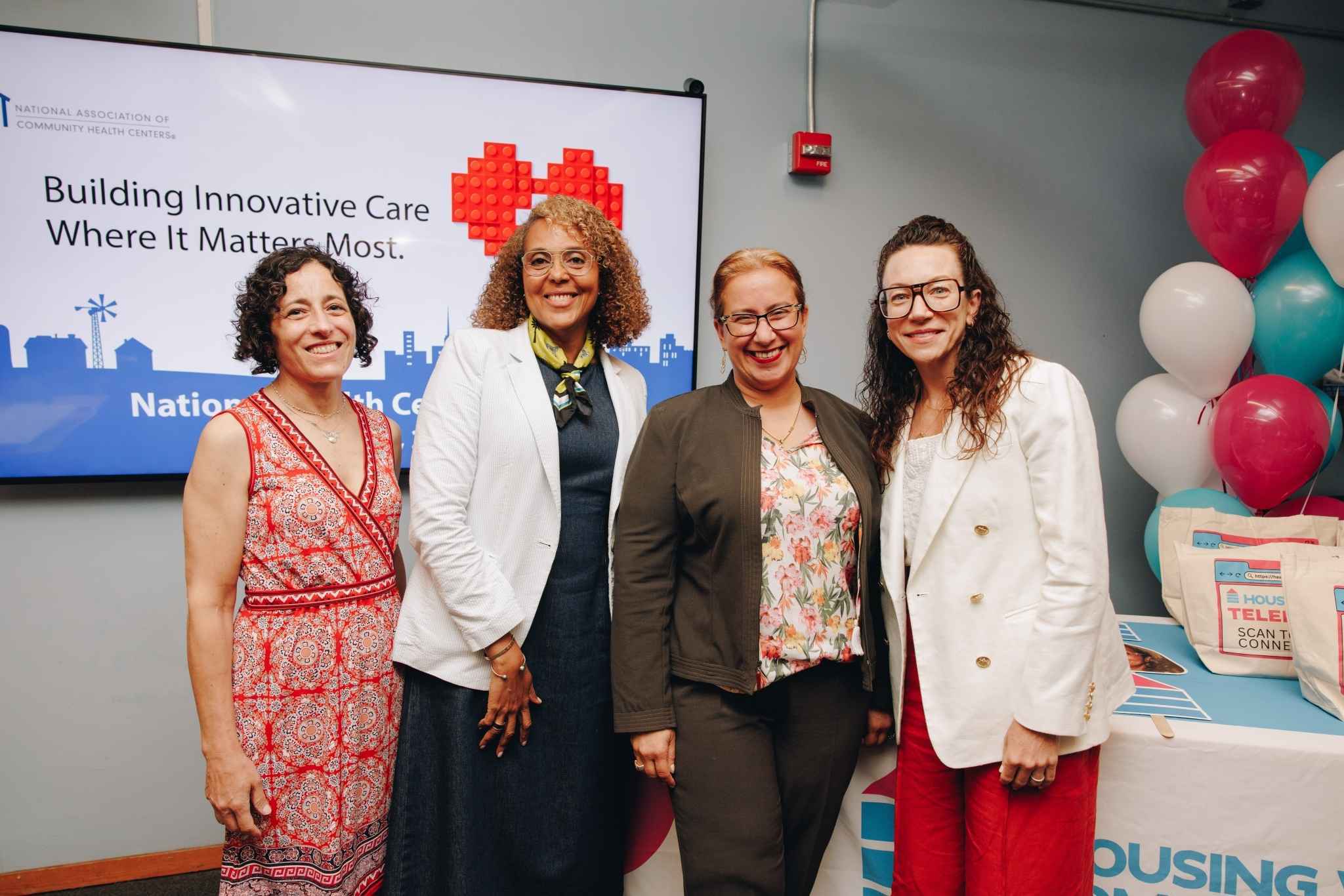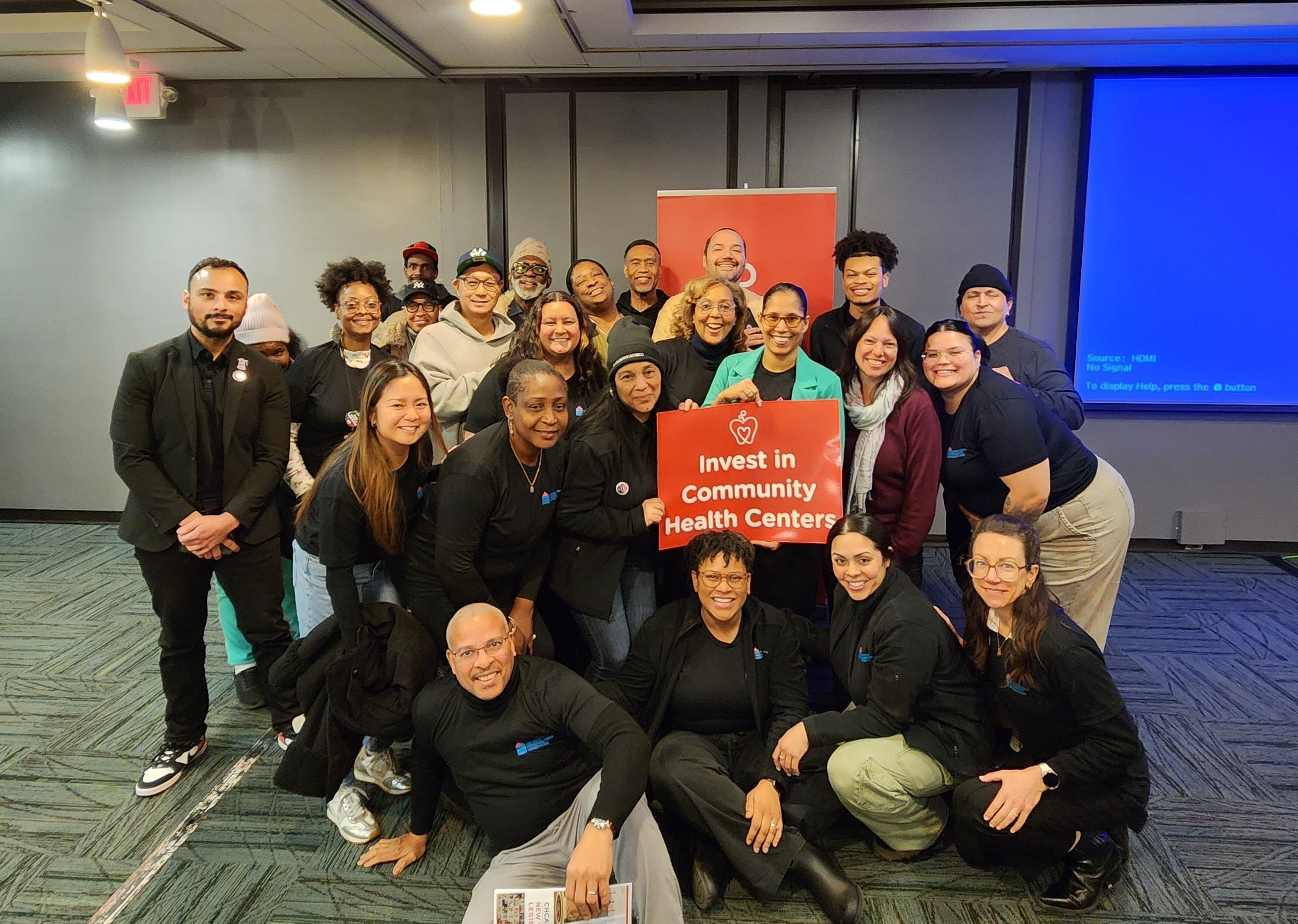
On March 4, Housing Works joined leaders, patients, and advocates from across New York State to advocate for enhanced investment in community health centers (CHCs). Our Health Services team met with multiple legislators to discuss these issues and how critical CHCs are in providing high quality care to everyone who walks through our doors.
One in eight New Yorkers receive their medical, mental health, dental, vision, or substance use support services at CHCs. HR1, which was signed into law in July 2025, is projected to cause 1.5 million New Yorkers to lose insurance, and an estimated one in three of them will turn to CHCs for care. This will result in over $300 million losses at CHCs, 1700+ staff layoffs, and service reductions in areas like school-based health, dental care, and OB/GYN services. This shortfall further threatens this life-saving care due to an outdated Medicaid payment system that is anchored to costs established over 25 years ago.
At Housing Works Community Healthcare, we see firsthand how vital community health centers are for patients who face barriers to care. Advocacy is about protecting the resources that allow us to meet people where they are and provide the care they deserve.Robert Brooks, Vice President of Article 28 Health Centers
Alongside the Community Health Care Association of New York State (CHCANYS), we are advocating for the following:
- Invest $300M in CHCs to strengthen the state’s health care safety net, keep doors open, and protect jobs. This is an opportunity for New York State to showcase its commitment to community health and health care access for every New Yorker while demonstrating fiscal responsibility.
- Protect the 340B prescription drug program (A.6222 Paulin/S.1913 Rivera), which is a federal drug discount program that allows CHCs to reinvest millions of dollars into their communities at zero cost to taxpayers or the government.
- Protect patients’ access to telehealth (A.1691 Paulin/S.3359 Rivera) by ensuring CHCs receive full payment for telehealth services even when the patient and provider are at home.
- Allow medical assistants to vaccinate, freeing up other caregivers to work at the top of their license while allowing community health centers to keep their communities healthy.
To learn more, visit the CHCANYS website.